

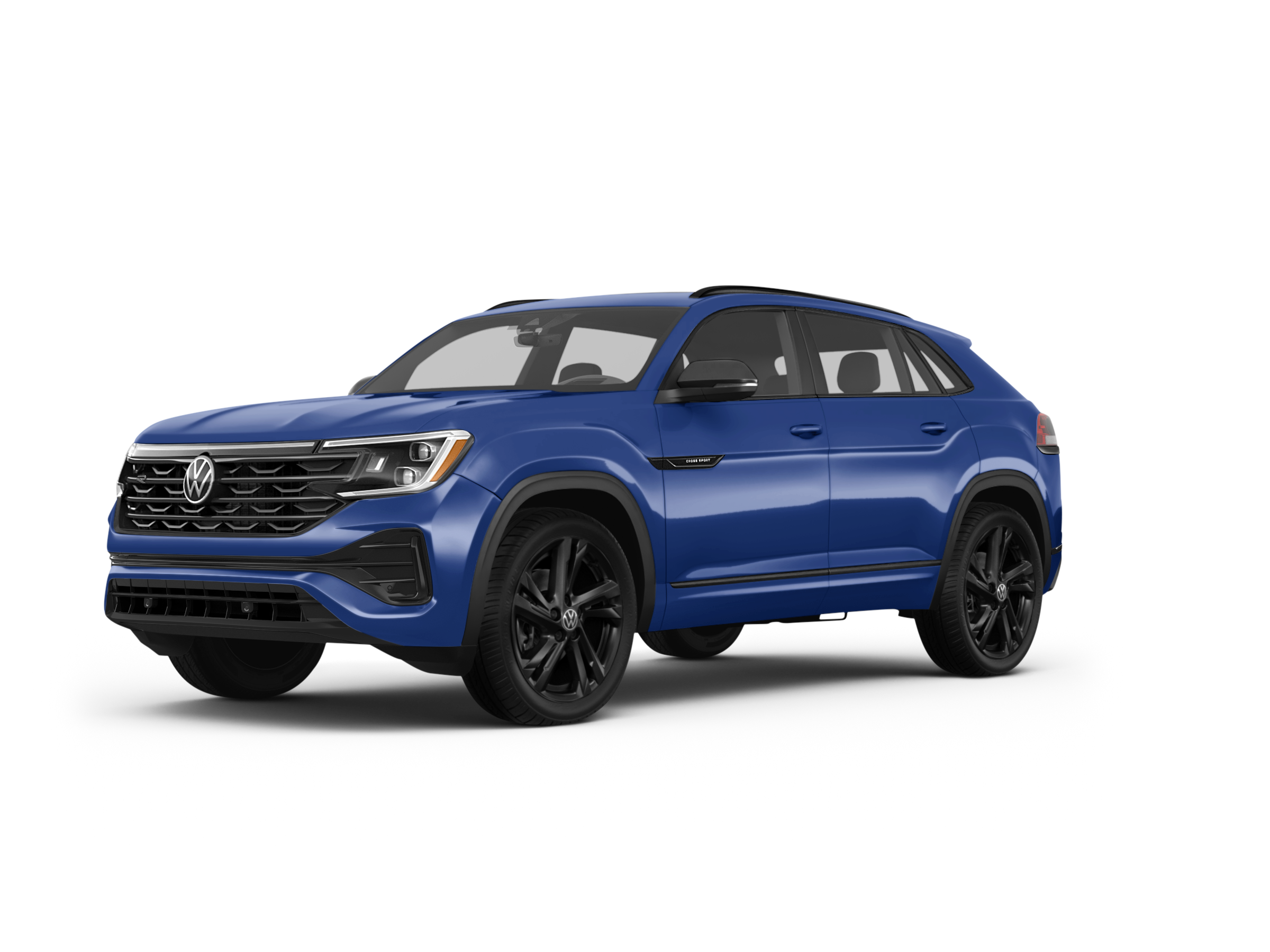
Volkswagen has long built its reputation on delivering vehicles that prioritize safety and reliability for families and daily drivers alike. Whether you’re navigating the suburban streets of Mount Pleasant or cruising through the coastal roads near Murrells Inlet, knowing that your Volkswagen is equipped with comprehensive safety features offers peace of mind. Across the Volkswagen lineup, the brand consistently integrates an array of standard safety technologies designed to protect occupants and assist drivers in avoiding accidents. This section dives into how Volkswagen’s core safety features compare across models, providing a clear picture of what you can expect when visiting 8756 Us Highway 17 Byp, South, Myrtle Beach, SC 29588 to explore your next Volkswagen.
At the foundation of Volkswagen’s safety philosophy are features that come standard on nearly every model. These include a robust suite of airbags strategically placed throughout the cabin to provide protection in frontal, side, and curtain impact scenarios. Anti-lock braking systems (ABS) with electronic brake-force distribution (EBD) help maintain control during sudden stops, while electronic stability control (ESC) works to keep the vehicle steady through sharp turns or slippery conditions—critical for drivers in areas like Red Hill where rural roads can be unpredictable. Tire pressure monitoring systems (TPMS) alert drivers early to any pressure loss, preventing blowouts and maintaining optimal handling.
In addition to these physical protections, Volkswagen equips its vehicles with driver assistance features aimed at preventing accidents before they occur. Forward collision warning with automatic emergency braking is a standout across the lineup, detecting potential obstacles ahead and applying brakes if the driver does not react in time. This is especially valuable for navigating the stop-and-go traffic common in Myrtle Beach’s busier districts. Blind-spot monitoring and rear cross-traffic alert are standard on many models, enhancing awareness when changing lanes or backing out of parking spots, which is helpful in tight spaces or congested shopping areas.
While these safety features form the baseline, Volkswagen tailors enhancements to match the size and purpose of each vehicle. For example, family-oriented SUVs like the Tiguan and Atlas include rear occupant alert systems that remind drivers to check the back seats before exiting, a thoughtful addition for those with young children or pets. The Atlas, with its larger size and towing capacity, also often features trailer sway control and hill descent assist, offering greater confidence on varied terrain near areas such as Conway or Murrells Inlet.
One key aspect of Volkswagen’s standard safety approach is the seamless integration of these technologies with the vehicle’s infotainment system and driver displays. Important alerts and status updates appear clearly on digital instrument clusters, allowing drivers to stay informed without distraction. This attention to user-friendly design reflects Volkswagen’s understanding of the busy, active lifestyles common in coastal South Carolina communities.
In summary, Volkswagen’s standard safety features provide a strong foundation of protection and driver support across its model range. From compact sedans like the Jetta through versatile SUVs such as the Tiguan, these features emphasize reliability, preventive assistance, and occupant safety. When paired with Volkswagen’s commitment to quality engineering, they create vehicles well-suited for everyday driving and weekend adventures alike. For those interested
Table of Contents
- Understanding the Advanced IQ.DRIVE Suite and Its Benefits
- Breaking Down IQ.DRIVE Components: What Features Are Included?
- 2026 Volkswagen Tiguan vs. Atlas: Safety Feature Differences Explored
- Meeting 2026 Top Safety Pick+ Standards: What It Takes for Volkswagen
Understanding the Advanced IQ.DRIVE Suite and Its Benefits
Volkswagen’s IQ.DRIVE suite represents a significant leap forward in driver assistance technology, designed to enhance safety, convenience, and confidence on the road. Unlike standard safety features that provide essential protection, IQ.DRIVE integrates a comprehensive set of intelligent systems that work together to support the driver in a variety of real-world driving scenarios. This advanced technology is especially valuable for drivers navigating suburban streets or the coastal highways near Myrtle Beach, where traffic conditions can vary widely.
At its core, IQ.DRIVE is a semi-autonomous assistance system that combines multiple sensors, cameras, and radar to monitor the vehicle’s surroundings continuously. This enables the system to provide active help with steering, braking, acceleration, and driver alerts, all while maintaining the driver's control and responsibility. For example, IQ.DRIVE can assist with adaptive cruise control, maintaining a safe following distance on highways or during stop-and-go traffic, which is common during Murrells Inlet’s busy tourist seasons. It can also provide lane-keeping assistance, gently guiding the vehicle to stay centered within the lane, a feature especially useful on the flat, open roads around Red Hill or Conway.
One of IQ.DRIVE’s standout benefits is Travel Assist, which allows for hands-on lane centering combined with speed regulation on compatible highways. This feature reduces driver fatigue during long drives, such as commutes between Mount Pleasant and Myrtle Beach, by actively supporting steering inputs and adjusting speed to traffic flow. Additionally, Emergency Assist monitors driver attentiveness and can safely bring the vehicle to a stop if it detects a lack of response, providing peace of mind for families and solo drivers alike.
Compared to traditional safety systems, IQ.DRIVE excels in its integration and responsiveness. While standard features like blind-spot monitoring and rear cross-traffic alert warn the driver of potential hazards, IQ.DRIVE actively intervenes when necessary to prevent collisions or maintain vehicle control. It creates a safer driving experience by anticipating and reacting to changing road conditions in real time.
Moreover, IQ.DRIVE’s interaction with Volkswagen’s digital cockpit provides clear visual and audible feedback, ensuring drivers remain informed and engaged. This thoughtful design supports safe driving habits without overwhelming or distracting the driver, a critical balance for daily commutes and weekend trips to the beaches or golf courses of the Myrtle Beach area.
In summary, Volkswagen’s IQ.DRIVE suite offers a blend of advanced assistance features that elevate safety beyond the basics. It supports responsible driving through intelligent technology, helping drivers feel more confident and secure on a variety of road types and traffic conditions. For those seeking a vehicle with cutting-edge safety and driver support, IQ.DRIVE represents a valuable step toward a safer, more comfortable driving experience. Call us at (843) 353-1118 for more information.
Breaking Down IQ.DRIVE Components: What Features Are Included?
Volkswagen’s IQ.DRIVE represents a comprehensive suite of driver assistance technologies designed to enhance safety, comfort, and confidence behind the wheel. This advanced package is thoughtfully engineered to support drivers in a variety of real-world driving scenarios, making it an ideal choice for families and individuals in the Myrtle Beach area seeking reliable, proactive safety solutions.
At its core, IQ.DRIVE combines multiple systems that work together seamlessly to monitor the road, maintain safe distances, and assist with steering and braking when necessary. One of the standout features is Travel Assist, which provides semi-automated support by helping keep the vehicle centered within its lane and maintaining a set speed and following distance on compatible highways. This feature is especially valuable for suburban commutes around Murrells Inlet or longer drives to Conway, easing driver fatigue without compromising control.
Another key component is Adaptive Cruise Control (ACC), which automatically adjusts the vehicle's speed to maintain a safe gap from the car ahead. This system continuously scans traffic patterns and can bring the vehicle to a complete stop if necessary, then resume driving smoothly—perfect for stop-and-go traffic on coastal routes near Little River. ACC enhances safety by reducing the risks associated with sudden braking or tailgating.
The suite also includes Front Assist with Autonomous Emergency Braking (AEB), which monitors the road ahead for potential collisions. If a sudden obstacle or pedestrian is detected, Front Assist warns the driver and can apply brakes autonomously to minimize impact or avoid a crash entirely. This proactive approach is crucial for navigating busy streets in Mount Pleasant or other urban settings.
Lane Assist is another valuable feature that gently nudges the vehicle back into the lane if it detects unintentional drifting, helping maintain proper lane discipline on both highways and suburban roads. Meanwhile, Emergency Assist can detect if the driver is unresponsive—such as in the event of a medical emergency—and will safely bring the vehicle to a stop while alerting emergency services if needed.
Additional safety enhancements include Rear Traffic Alert to warn of approaching vehicles when reversing, Park Assist to simplify parallel or perpendicular parking, and Exit Warning that alerts occupants to approaching traffic before opening doors.
Together, these components form a robust safety network that anticipates hazards and assists drivers proactively. IQ.DRIVE integrates smoothly with Volkswagen’s digital cockpit displays, providing clear, real-time feedback and alerts that keep drivers informed without distraction. This sophisticated technology package elevates Volkswagen models, making them not only practical for everyday use but also exceptionally safe for the varied driving conditions common to coastal South Carolina.
2026 Volkswagen Tiguan vs. Atlas: Safety Feature Differences Explored
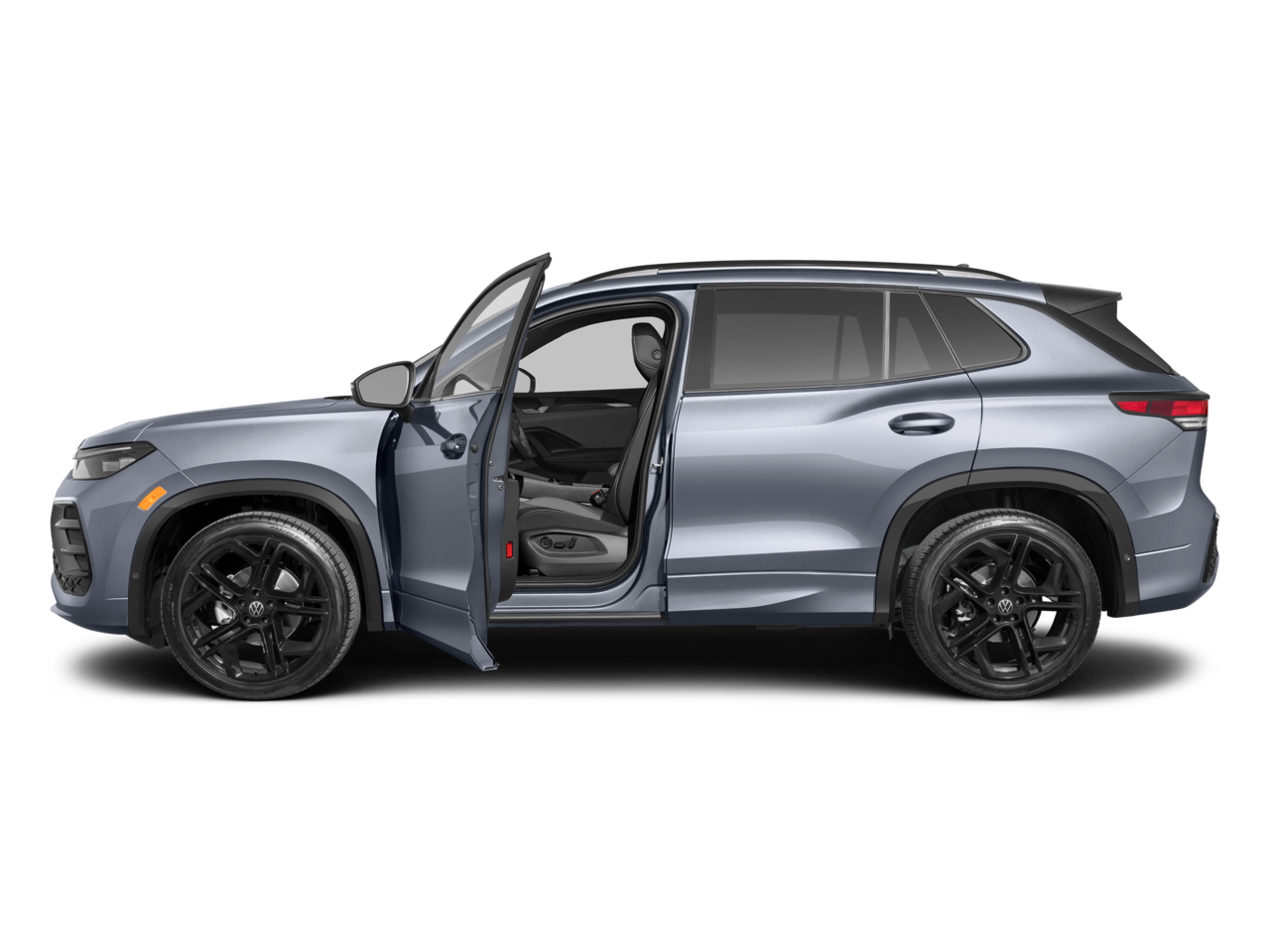
When comparing the 2026 Volkswagen Tiguan and Atlas, understanding how their safety features align and differ is crucial for families and individuals prioritizing protection on the roads around Murrells Inlet and nearby communities. Both SUVs come equipped with Volkswagen’s renowned commitment to safety, but there are distinct differences driven by their size, design intent, and technology integration.
The Tiguan, crafted as a compact SUV, emphasizes agility and urban-friendly dimensions while packing advanced safety technology suitable for everyday family use and coastal drives near Murrells Inlet. Standard on the Tiguan is the comprehensive IQ.DRIVE suite, which includes adaptive cruise control, lane keeping assist, blind-spot monitoring, and rear cross-traffic alert. These features support confident handling in city traffic and suburban streets, helping drivers maintain safe distances and stay centered in their lanes during busy commutes or weekend trips to local parks.
In contrast, the larger Volkswagen Atlas is designed to accommodate bigger families and longer road trips, with a focus on comprehensive occupant protection and enhanced driver assistance. While it shares many IQ.DRIVE components with the Tiguan, the Atlas adds advanced features such as a more sophisticated Park Assist system that handles parallel and perpendicular parking with minimal driver input—ideal for navigating tight spaces in Conway or North Myrtle Beach. The Atlas also incorporates a standard rearview camera with dynamic guidelines and optional surround-view cameras, offering a 360-degree perspective that further reduces blind spots and boosts safety during parking and low-speed maneuvers.
Another key difference lies in passive safety: the Atlas benefits from a more robust structure and additional airbags designed for its three-row seating configuration, providing extra protection for up to seven passengers. This makes it particularly suitable for families in Red Hill or Loris who require spacious seating without compromising safety.
Both models feature automatic emergency braking with pedestrian monitoring, but the Atlas tends to offer more customizable safety options across trims, including exit warning systems that alert passengers to approaching vehicles or cyclists—an essential feature for suburban neighborhoods with active street life.
In summary, while the 2026 Tiguan and Atlas share Volkswagen’s core safety philosophy and many driver-assist technologies, the Atlas delivers enhanced parking aids, expanded occupant protection, and additional sensor systems tailored to larger families and extended travel. This makes each SUV uniquely suited to different lifestyles and safety priorities in the Myrtle Beach area.
Meeting 2026 Top Safety Pick+ Standards: What It Takes for Volkswagen
Achieving the Insurance Institute for Highway Safety’s (IIHS) Top Safety Pick+ designation in 2026 requires a vehicle to meet exceptionally rigorous safety benchmarks. Volkswagen models aiming for this prestigious award must demonstrate outstanding performance in crashworthiness, advanced driver assistance technologies, and effective crash prevention systems. Understanding these requirements highlights Volkswagen’s commitment to safety and the advanced engineering behind their vehicles, especially relevant for drivers around Myrtle Beach and nearby communities who prioritize peace of mind on every journey.
To qualify for the 2026 Top Safety Pick+ award, a vehicle must earn “Good” ratings in multiple crashworthiness tests conducted by the IIHS. These tests include evaluations of front, side, roof strength, and head restraint impacts. Volkswagen’s engineering excellence ensures that models like the Tiguan and Atlas deliver robust occupant protection through high-strength steel construction, strategically placed crumple zones, and well-designed restraint systems. These features help minimize injury risks during collisions, which is especially valuable for families navigating suburban roads in Mount Pleasant or Murrells Inlet.
Beyond structural integrity, the Top Safety Pick+ requires vehicles to feature advanced crash avoidance technologies that meet or exceed IIHS standards. Volkswagen’s IQ.DRIVE suite plays a critical role here, integrating systems such as forward collision warning with automatic emergency braking, lane departure warnings, and adaptive cruise control. These technologies actively help drivers prevent or mitigate crashes, a crucial benefit on busy highways or local streets around Conway or Red Hill where unexpected hazards can arise.
Another key criterion for the Top Safety Pick+ is effective headlight performance. Volkswagen models must offer headlights that provide broad, bright illumination with minimal glare to oncoming drivers. This is vital for early detection of pedestrians or obstacles during nighttime drives, enhancing safety for all road users in coastal communities like Little River and Green Sea.
Additionally, the award demands the availability of electronic stability control and tire pressure monitoring systems, both standard on Volkswagen vehicles. These systems maintain vehicle control in slippery or challenging driving conditions common in the Myrtle Beach area’s variable weather.
Meeting these comprehensive safety standards requires meticulous integration of engineering, technology, and design. Volkswagen’s consistent delivery of these elements across its lineup reflects its dedication to providing drivers in the South Carolina Lowcountry with vehicles that are not only stylish and efficient but also among the safest on the road.