

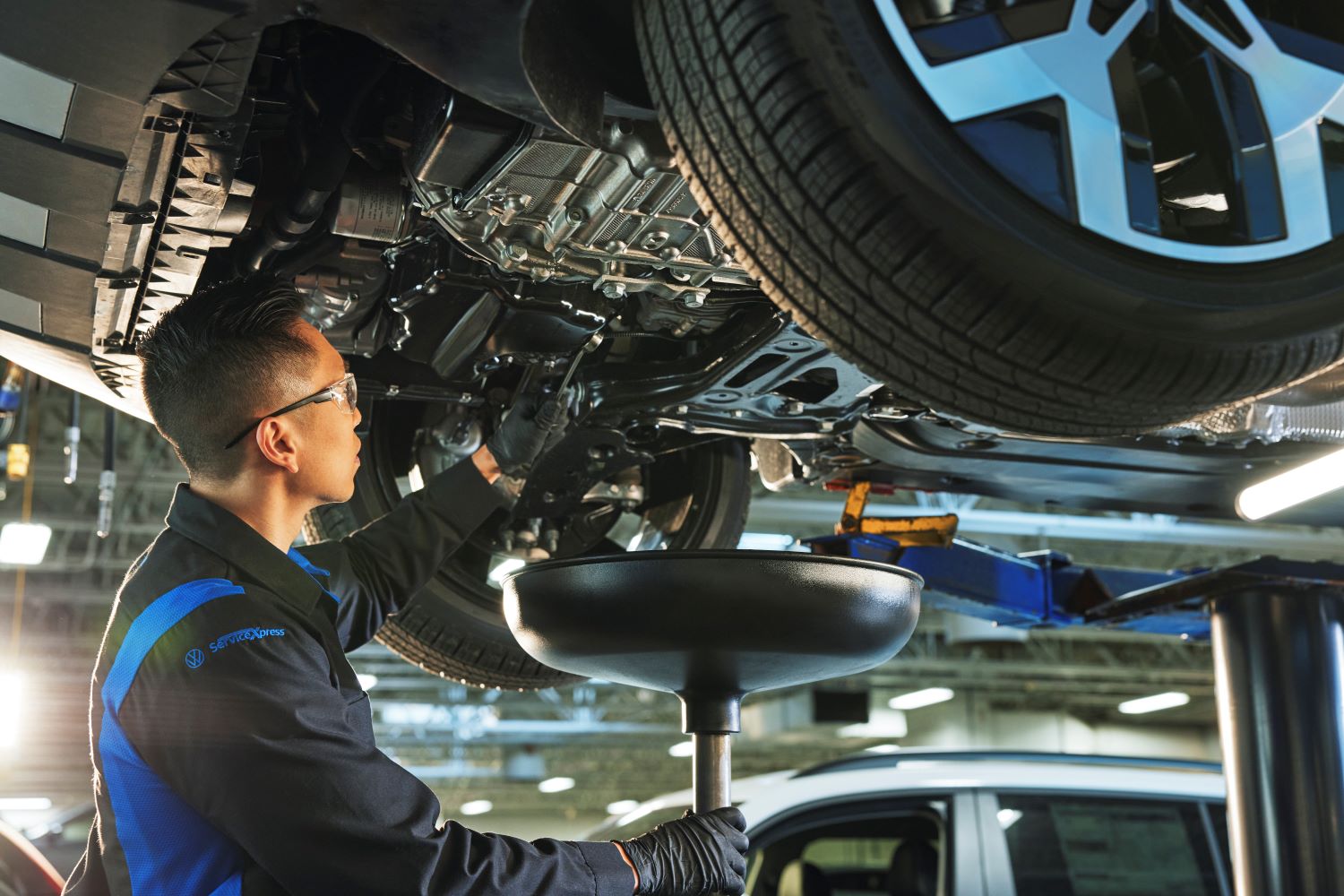
Coastal climate conditions accelerate vehicle wear through high ambient humidity, intense seasonal heat, and airborne salt air that corrodes metal components. Salt vapor oxidizes unprotected undercarriage metals, brake rotors, and electrical connections, while severe heat and humidity strain automotive cooling and air conditioning systems. Preventive maintenance—including undercarriage flushes, regular fluid replacements, and system inspections—prevents costly corrosion damage and mechanical failures.
Living near the ocean creates a distinct operating environment for vehicles. Airborne salt spray settles on lower vehicle components, chassis frame rails, and exhaust pipes whenever cars are driven or parked near coastal waters. Over time, this salt layer reacts with atmospheric moisture to form rust scaling on unpainted steel surfaces and iron brake rotors. Severe corrosion can weaken structural fasteners, degrade exhaust hangers, and cause electrical connectors to develop high resistance or intermediate short circuits.
High heat combined with coastal humidity also places continuous thermal stress on engine cooling loops, transmission oil coolers, and automotive air conditioning systems. Condensers positioned behind the front grille collect airborne debris and salt film, reducing air-to-fin heat exchange capacity. When cooling efficiency drops, engine temperatures rise during stop-and-go coastal traffic, accelerating the breakdown of engine oil and automatic transmission fluid.
Our service team often inspects vehicles after summer coastal driving and finds fine salt crusting on exposed condenser fins and lower suspension arms before visible surface rust forms. Regular undercarriage rinsing and annual multi-point inspections catch surface oxidation before structural damage occurs. For comprehensive climate care or diagnostic checks, drivers can get directions to our South Highway 17 Bypass location or speak with a service advisor by calling (843) 353-1118.
Table of Contents
- What Services and A/C Care Do Auto Service Centers Offer?
- How Often Should Brake Pads and Rotors Be Replaced?
- Will Servicing Your Vehicle at an Independent Mechanic Void the Factory Warranty?
- How Can Vehicle Owners Save Money on Auto Repairs?
- Common Questions About Auto Maintenance and Service
- Schedule Certified Volkswagen Care at East Coast Volkswagen
What Services and A/C Care Do Auto Service Centers Offer?
Auto service centers deliver comprehensive preventive maintenance and complex mechanical repairs, with specialized climate control care focused on refrigerant pressure testing, leak detection, and cabin air filter replacements. Regular A/C servicing maintains proper compressor lubrication and prevents refrigerant degradation during high-demand coastal months.
Complete vehicle maintenance requires addressing every system on a structured maintenance schedule. Professional service departments provide routine maintenance alongside heavy mechanical repair services, including:
- Engine diagnostics and OBD-II software updates
- Synthetic engine oil and filter changes
- Brake pad and rotor replacement
- Four-wheel tire rotation and digital wheel alignment
- Transmission fluid flush and cooling loop maintenance
- Battery terminal corrosion cleanup and load testing
Automotive air conditioning systems require specific technical attention due to the extreme heat and humidity of coastal regions. Over time, rubber seals and O-rings dry out, allowing trace amounts of R-134a or R-1234yf refrigerant to escape. Low refrigerant charge levels force the A/C compressor clutch to cycle repeatedly, causing clutch wear and internal thermal stress. Technicians perform electronic leak testing, recharge system pressure to factory specifications, and add PAG oil to preserve internal compressor lubrication.
Cabin air filters also demand routine replacement in coastal environments. High humidity creates an ideal environment for dust, organic debris, and mold spores to collect inside HVAC intake housing. A clogged cabin air filter restricts airflow across the evaporator core, causing icy buildup on cooling fins and weak airflow through dashboard vents. Changing the cabin filter every 12,000 to 15,000 miles restores cabin airflow and prevents persistent odor buildup. Drivers looking to maintain their vehicle's cabin comfort can reserve an appointment by scheduling a service appointment online. If you are considering changing your vehicle, our online car buying quiz can help match your daily driving needs to the right vehicle layout.
How Often Should Brake Pads and Rotors Be Replaced?
Brake pads generally require replacement between 30,000 to 70,000 miles, while brake rotors typically last between 50,000 to 70,000 miles before resurfacing or replacement is necessary. Local driving habits, stop-and-go coastal traffic, and airborne salt air exposure can accelerate wear toward the shorter end of those mileage ranges.
Brake pad wear varies based on friction material composition, vehicle weight, and driver braking habits. Semi-metallic brake pads offer firm pedal response and efficient heat dissipation but wear down faster under heavy urban driving. Ceramic brake pads produce less brake dust and operate quieter, making them popular for passenger cars and crossovers. When brake friction material wears down to approximately 3 mm remaining thickness, mechanical wear indicators contact the rotor face to produce a high-pitched squealing sound that alerts the driver replacement is due.
Rotor longevity depends heavily on environmental conditions and heat management. Severe stop-and-go driving generates high brake disc surface temperatures, while salt air around areas near Little River tidal marshlands promotes surface rust on rotor faces when vehicles sit parked overnight. Rust pitting creates uneven surface friction, leading to pedal pulsation and steering wheel shimmy during deceleration.
Common visual and physical indicators that signal required brake service include:
- Squealing, screeching, or harsh metallic grinding sounds during application
- Steering wheel pulsation or brake pedal chatter when slowing from highway speeds
- Increased stopping distances or a spongy pedal feel
- A brake wear warning indicator illuminated on the instrument cluster
Will Servicing Your Vehicle at an Independent Mechanic Void the Factory Warranty?
Having routine maintenance or repairs performed at an independent auto repair shop does not void a vehicle's new car factory warranty. Under federal protection established by the Magnuson-Moss Warranty Act, manufacturers cannot mandate that owners complete routine servicing exclusively at franchise dealerships to keep warranty coverage intact.
The Magnuson-Moss Warranty Act specifically prohibits manufacturers from enforcing tie-in sales provisions. A tie-in provision requires a consumer to purchase a specific brand of parts or service from a designated dealer to maintain coverage. Unless the manufacturer provides those maintenance parts or services free of charge under the original warranty terms, vehicle owners retain full freedom to choose where routine oil changes, tire rotations, and brake replacements are performed.
To protect warranty validity when using independent service facilities, vehicle owners must maintain detailed documentation. Car owners should keep organized digital or physical records showing:
- Itemized invoices with dates and vehicle odometer readings
- Part numbers matching factory lubricant and filter fluid specifications
- Receipts showing completion of maintenance items recommended in the owner's manual
While routine service can occur at independent shops, factory warranty repairs, safety recall campaigns, and technical service bulletins must be completed by an authorized dealership. If a mechanical failure occurs on a warrantable component, the manufacturer may request maintenance records to verify the failure was not caused by skipped maintenance, improper service procedures, or non-compliant fluid grades.
How Can Vehicle Owners Save Money on Auto Repairs?
Vehicle owners save money on auto repairs by following manufacturer maintenance schedules, addressing minor diagnostic warnings early, taking advantage of promotional service coupons, and choosing high-quality parts that prevent premature component failures. Adhering to planned maintenance prevents secondary mechanical damage that escalates overall repair bills.
Deferring routine maintenance often converts inexpensive fluid changes into major mechanical repairs. For example, failing to replace engine oil on schedule allows sludge to accumulate inside variable valve timing actuators, leading to costly timing chain and camshaft failures. Similarly, neglecting a squealing brake pad allows the metal backing plate to score the rotor, turning a simple pad replacement into a complete pad and rotor overhaul.
Labor rates and diagnostic structures vary significantly across the automotive service industry:
| Service Facility Type | Average Hourly Labor Rate | Diagnostic Fee Structure | Typical Warranty Terms |
|---|---|---|---|
| Independent Auto Repair Shops | $90 to $150 per hour | $80 to $150 (often applied to repair) | 12 to 24 months / 12,000 to 24,000 miles |
| Franchised Dealership Service Departments | $140 to $210 per hour | $80 to $150 (often applied to repair) | Factory OEM parts warranty / nationwide backing |
Understanding diagnostic procedures helps vehicle owners manage unexpected maintenance costs. Diagnostic inspection fees cover technician labor time and computer scanning equipment required to pinpoint electronic and mechanical faults. Many professional repair centers apply the diagnostic fee directly toward the total labor cost if the customer authorizes the recommended repair work on site. Ordering genuine components through our parts department ensures components meet precise engineering tolerances and carry manufacturer warranty backing.
Common Questions About Auto Maintenance and Service
Q: What is the average hourly labor rate for auto repair in Myrtle Beach?
Auto repair labor rates in the local area typically range from $90 to $150 per hour at independent repair shops, while franchised dealership service departments average between $140 and $210 per hour. Dealership labor rates account for factory-certified technicians, specialized OEM diagnostic tools, continuous brand training, and direct manufacturer technical support.
Q: Do auto repair shops charge a fee for diagnostic inspections?
Most professional repair centers charge a diagnostic inspection fee ranging from $80 to $150. This charge covers technician labor, computerized system scans, and manual physical testing required to accurately identify underlying mechanical or electrical faults. Many repair facilities apply this fee toward total repair costs when you authorize the recommended service.
Q: Do independent repair shops offer nationwide warranties on auto repairs?
Many independent repair centers affiliated with national service networks offer qualifying parts and labor warranties, typically extending for 24 months or 24,000 miles. Factory dealership repair services are backed directly by official OEM parts guarantees, which are honored across authorized brand dealership service centers across the country.
Q: What are the main advantages of using OEM parts versus aftermarket parts?
Original Equipment Manufacturer (OEM) parts are manufactured to exact factory dimensions, material specifications, and engineering tolerances, ensuring precise fitment and factory quality control. While aftermarket parts may carry lower initial costs, OEM components eliminate sizing variations, preserve original vehicle crash safety design, and maintain original manufacturer warranty protection.
Q: Which service center type is best suited for major engine or transmission repairs?
Franchised dealership service centers are exceptionally well suited for major engine and transmission overhauls because their technicians possess specialized factory certification, brand-specific teardown tools, and factory overhaul literature. Major powertrain work completed at a dealership carries official OEM replacement component warranties recognized nationwide.
Schedule Certified Volkswagen Care at East Coast Volkswagen
East Coast Volkswagen delivers complete fixed-operations care, routine vehicle maintenance, and complex mechanical repairs backed by factory-certified technicians. Located at 8756 U.S. Highway 17 Bypass South in Myrtle Beach, our state-of-the-art service department is equipped with specialized Volkswagen diagnostic equipment, genuine OEM parts inventory, and comfortable customer lounge amenities.
Our service department provides complete ownership support designed to fit your busy schedule. We offer flexible service hours, courtesy rental vehicles for major mechanical repair visits, and clear upfront estimates before any work begins. Whether your vehicle requires routine engine oil replacement, brake service, seasonal A/C maintenance, or advanced electrical troubleshooting, our certified technicians ensure every job meets strict factory performance standards.
To maintain your vehicle's peak efficiency and long-term reliability, stop by our Myrtle Beach service center location or get in touch with our service advisors directly by calling (843) 353-1118 to schedule your upcoming service visit today.
Categories:
Service