

Protecting your vehicle from coastal wear in Myrtle Beach requires routine undercarriage pressure washing to remove salt buildup, applying high-temperature synthetic lubricant to brake components, applying protective paint sealant, and inspecting rubber seals and suspension bushings regularly. Frequent exposure to airborne sea salt accelerates metal oxidation and rubber degradation, making consistent preventive maintenance and thorough fluid flushes essential for preserving mechanical reliability.
Salt air poses a constant challenge for vehicles operating along coastal corridors. High humidity combined with fine salt mist settles into the underbody, exposed frame rails, brake calipers, and exhaust mounts. Left untreated, coastal humidity creates a galvanic reaction that oxidizes untreated steel and corrodes electrical ground connections. Drivers commuting from areas near Little River frequently experience accelerated surface rust on brake rotors and exhaust hangers due to daily proximity to salt marshes and ocean breezes.
To prevent long-term corrosion, routine maintenance should include high-pressure undercarriage washing at least once a month, with extra attention paid after driving along beach access roads. Applying a protective undercoating or specialized paint sealant creates a hydrophobic barrier that shields sheet metal and frame joints. Synthetic grease applied to caliper guide pins prevents slide sticking, while fresh synthetic lubricants shield engine components from high thermal stress during humid summer idling.
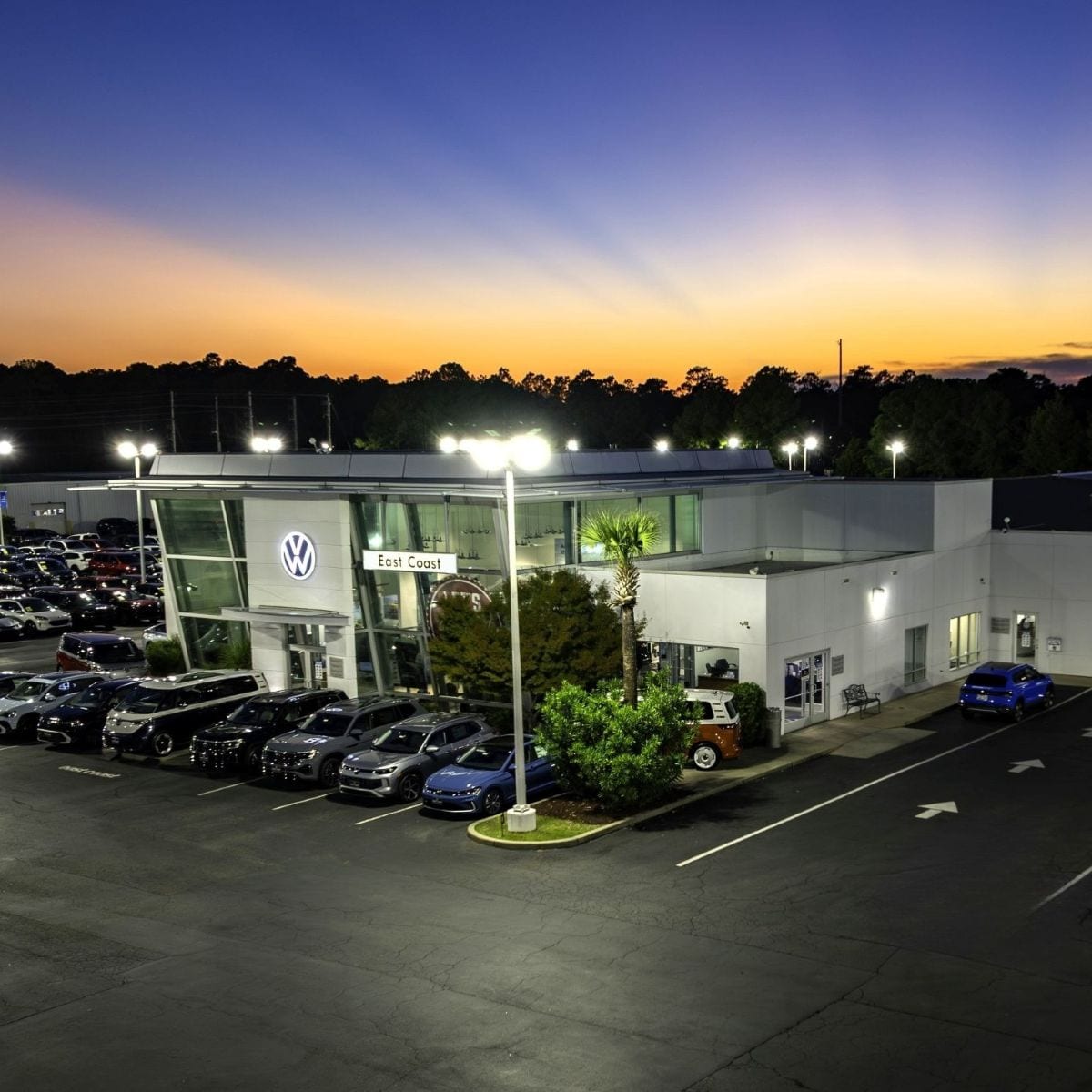
At East Coast Volkswagen, our factory-trained technicians provide comprehensive multi-point inspections tailored to local driving conditions. If you need assistance setting up a seasonal maintenance schedule, you can get step-by-step directions to our service department or reach our team directly at (843) 353-1118. For local drivers looking for professional maintenance, our service center location on US Highway 17 Bypass South provides full fixed-operations support six days a week.
Table of Contents
- How Long Does a Standard Full-Vehicle Diagnostic Inspection Take?
- What Signs Indicate You Need Brake Service or Maintenance?
- Are Dealership Auto Repair Costs Worth the Value Over Independent Shops?
- Common Questions About Auto Service Standards
- Keeping Your Vehicle Coastal-Ready with East Coast Volkswagen
How Long Does a Standard Full-Vehicle Diagnostic Inspection Take?
A standard full-vehicle diagnostic inspection typically takes between 30 minutes and 60 minutes to complete. This timeframe allows a certified technician to connect specialized diagnostic scanners, pull active and historical fault codes, and perform physical mechanical verification.
Modern vehicles rely on dozens of interconnected electronic control modules that monitor engine timing, emissions, transmission shift points, safety sensors, and climate controls. When a check engine light or system alert appears on the instrument cluster, technicians begin by plugging OBD-II electronic scanners into the vehicle's computer port. Reading the stored diagnostic trouble codes takes only a few minutes, but interpreting the data requires systematic testing. A specific code indicates which sensor or circuit detected a parameter outside normal limits, but it does not instantly pinpoint the root failure.
Once codes are retrieved, technicians review live sensor data streams, fuel trim values, and ignition circuit behavior. Complex or intermittent electrical issues—such as parasitic battery drains, wiring harness corrosion, or sensor communication glitches—can extend diagnostic times to two hours or more. Drivers navigating daily commutes near Wilmington often face high thermal ambient conditions that can cause electronic control modules to trigger intermittent thermal safety faults, requiring road testing with digital oscilloscopes to recreate the exact condition.
A complete diagnostic inspection evaluated by factory standards includes:
- Connecting computerized diagnostic equipment to retrieve active module codes.
- Analyzing real-time sensor telemetry and fuel delivery values.
- Inspecting physical components including vacuum hoses, wiring harnesses, and ground straps.
- Testing battery state of charge, starter draw, and alternator output.
- Conducting a road test to verify system operation under load.
What Signs Indicate You Need Brake Service or Maintenance?
High-pitched metallic squealing, brake pedal pulsation, soft or spongy pedal feel, grinding noises, and increased stopping distances are the primary indicators that a vehicle requires immediate brake service. Addressing these symptoms early prevents minor pad wear from developing into costly rotor and caliper replacement.
Brake pads feature built-in acoustic wear indicators—small metal tabs designed to contact the rotor surface and emit a high-pitched squeal when pad friction material wears down to approximately 2 millimeters to 3 millimeters. Ignoring this squeal allows the friction material to wear away completely, leading to metal-on-metal contact. Grinding noises signify that the steel backing plate is scoring the brake rotor surface, which drastically reduces stopping power and generates extreme friction heat.
Thermal cycling from stop-and-go coastal driving can also cause brake rotors to develop microscopic variations in thickness, leading to pedal vibration or steering wheel shudder during deceleration. Moisture absorption in hydraulic lines represents another critical concern. Standard DOT 4 brake fluid is hygroscopic, meaning it absorbs ambient moisture over time. In humid environments, water contamination lowers the boiling point of the brake fluid, resulting in a soft or spongy pedal feel under heavy braking.
A complete brake system service should address the entire friction and hydraulic setup:
- Replacing worn brake pads with precision-engineered friction material.
- Inspecting brake rotors for minimum thickness standards and resurfacing or replacing as needed.
- Flushing contaminated hydraulic fluid and replacing it with fresh fluid.
- Cleaning and lubricating caliper slide pins, hardware, and contact points.
- Inspecting flexible rubber brake lines and master cylinder seals for fluid weeping.
When you notice changes in braking response, you can easily schedule your brake service online to have certified technicians evaluate your stopping system.
Are Dealership Auto Repair Costs Worth the Value Over Independent Shops?
Dealership auto repair offers distinct long-term financial value through specialized factory-trained technicians, advanced manufacturer diagnostic tools, original equipment manufacturer parts backed by factory warranties, and complete vehicle service history retention. While labor rates at dealership service departments typically range 20% to 40% higher than general independent mechanics, factory expertise significantly reduces diagnostic guesswork and misrepair rates.
Independent repair shops often service dozens of different vehicle makes, which requires generalist technicians to handle complex brand-specific engineering configurations. In contrast, factory-authorized service departments specialize in specific vehicle architectures. Technicians undergo ongoing manufacturer training to master complex turbocharging systems, dual-clutch transmissions, and advanced driver-assistance sensor calibration. When a vehicle enters a factory service bay, technicians utilize proprietary diagnostic software that communicates directly with manufacturer technical databases, identifying software updates and technical service bulletins that independent generic scanners cannot access.
Component quality represents another major distinction. Dealership service centers install genuine OEM parts engineered to exact factory tolerances and material specifications. These components carry manufacturer warranty protection covering both parts and labor across national dealer networks. For vehicle owners needing maintenance or structural replacement components, sourcing through our genuine Volkswagen parts department ensures perfect fitment, factory performance, and preserved vehicle resale value.
Dealership service centers also offer unique customer programs designed to make major maintenance manageable. Flexible payment plans like Sunbit service financing allow owners to split service invoices into monthly payments. Additionally, service amenities such as courtesy rental vehicles for major repair work, complimentary Wi-Fi, private work areas, and a 100% service satisfaction commitment ensure that vehicle maintenance remains convenient and stress-free.
Common Questions About Auto Service Standards
Q: Are auto mechanics required to be ASE certified by state law?
State law does not legally require auto repair mechanics to hold National Institute for Automotive Service Excellence (ASE) certification. However, professional dealership service centers require their technical staff to maintain active ASE Certification credentials alongside factory credentials. Passing these rigorous national examinations verifies that a technician possesses tested proficiency in engine repair, electrical systems, heating and air conditioning, and computer diagnostics.
Q: Is synthetic motor oil required for summer driving along coastal highways?
While conventional motor oil meets baseline lubrication requirements for older engines, full synthetic motor oil is strongly recommended for summer driving in extreme heat and humidity. Synthetic oil provides superior thermal breakdown resistance, maintaining stable viscosity during extended idling and heavy traffic. Engines operating under high ambient temperatures benefit from reduced internal friction, cleaner valve trains, and enhanced protection against thermal oxidation.
Q: What is included in a routine oil change service package?
A complete routine oil change service package includes draining spent engine oil, installing an OEM filter, refilling the crankcase with fresh factory-recommended motor oil, and topping off essential vehicle fluids. Technicians also check tire pressures, inspect drive belts, test battery health, and examine air filters to ensure overall operational safety before returning the vehicle.
Q: What is the operational difference between national service chains and factory service departments?
National retail chains specialize in high-volume, generalized vehicle maintenance using multi-application aftermarket parts. Factory-authorized dealership service departments utilize specialized diagnostic equipment, brand-specific specialty tools, and original equipment components designed for exact vehicle fitment. Specialized facilities also employ technicians who participate in ongoing manufacturer technical instruction focused specifically on brand architecture.
Q: What roadside support is available if a vehicle breakdown occurs near the beach?
Volkswagen owners receive emergency support through Volkswagen Roadside Assistance: (800) 411-6688, which operates 24 hours a day, 7 days a week. Program coverage includes towing to the nearest authorized service center, battery jump-starts, flat tire changes, fuel delivery, and lock-out assistance. Utilizing factory roadside coverage guarantees that your vehicle is transported to certified technicians who use original manufacturer replacement parts.
If you have additional questions regarding maintenance schedules or diagnostic procedures, feel free to give our team a call at (843) 353-1118 or visit our Myrtle Beach service facility to speak with a service advisor in person.
Keeping Your Vehicle Coastal-Ready with East Coast Volkswagen
Maintaining a vehicle in top mechanical condition requires consistent attention, specialized diagnostic equipment, and factory-trained expertise. From routine oil changes and multi-point safety checks to complex electrical diagnostics and complete brake overhauls, consistent preventive maintenance protects your automotive investment against harsh coastal conditions and extended highway driving.
At East Coast Volkswagen, our fixed-operations team is committed to delivering professional service backed by a 100% customer satisfaction commitment. Our modern service center features comfortable customer lounges equipped with complimentary gourmet coffee, fast Wi-Fi, and quiet private workstations. We also offer late-night and early-bird key drop-off options, full Saturday service hours, and courtesy rental vehicles for major service procedures so your daily schedule never misses a beat.
Protect your vehicle's performance, safety, and long-term resale value by staying ahead of routine service intervals. Contact our service department today to consult with our knowledgeable advisors, confirm your vehicle's recommended maintenance schedule, or reserve your next service appointment with our certified technical team.
Categories:
Service