

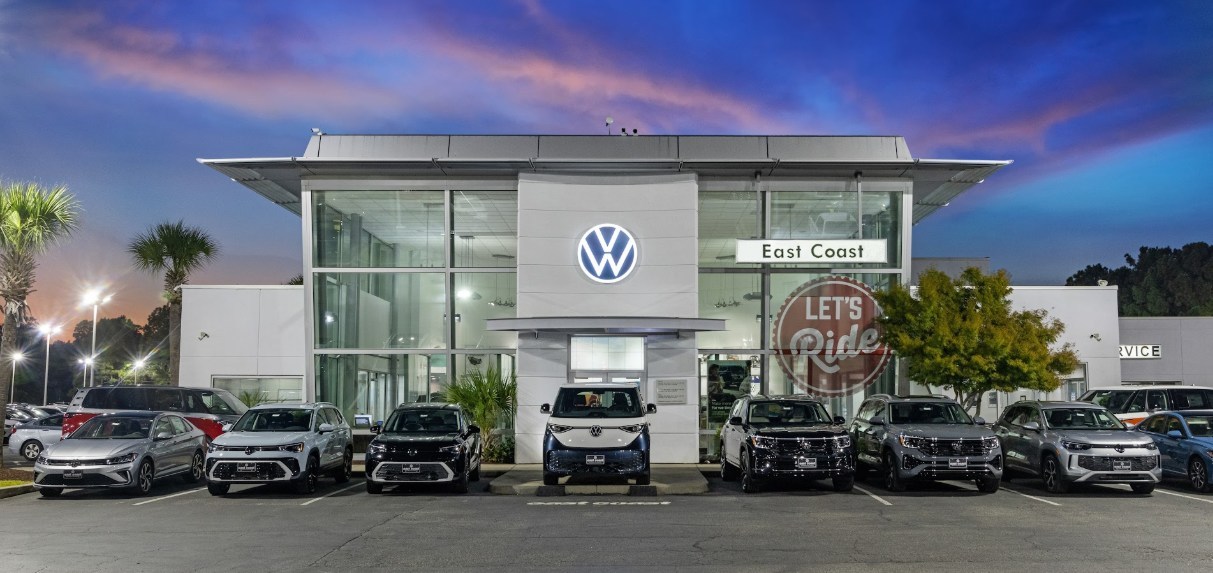
Used Volkswagen vehicles carry moderate maintenance costs that align closely with other European models, typically requiring adherence to 10,000-mile synthetic oil service intervals. While specialized components like DSG dual-clutch transmission fluid changes or turbocharger care cost slightly more than standard domestic or Asian domestic parts, staying on top of scheduled factory upkeep prevents premature component failure and keeps total cost of ownership predictable over a 5-year period.
When evaluating ownership expenses for a pre-owned sedan or SUV, understanding the difference between routine maintenance and unscheduled repairs is essential. Volkswagen vehicles are engineered with precise tolerances, meaning they perform at their best when serviced with factory-approved fluids and original equipment manufacturer parts. A standard 10,000-mile maintenance visit typically includes a synthetic oil and filter change, tire rotation, and a comprehensive multi-point safety inspection. For models like a pre-owned 2026 Volkswagen Jetta with its efficient 1.5L turbo engine or a 2026 Volkswagen Taos, routine service visits remain very affordable and comparable to mainstream compact vehicles.
Schedule Service For Your VW Today
Larger models, such as a pre-owned 2026 Volkswagen Atlas featuring a 2.0L turbo engine and all-wheel drive, require periodic servicing of additional drivetrain components. These include Haldex all-wheel-drive fluid refreshes and larger brake component replacements over time. However, because Volkswagen standardizes many of its mechanical platforms across multiple vehicle lines, parts availability is excellent and service procedures are well-standardized. Vehicle owners who follow factory-recommended schedules at authorized facilities avoid the compounding repairs that often affect neglected high-mileage vehicles. To speak directly with our team about service options, give us (843) 353-1118 or visit our Myrtle Beach service center location.
Table of Contents
- Are Volkswagen Replacement Parts More Expensive Than Domestic or Japanese Brand Parts?
- What Is the Recommended Factory Maintenance Schedule for Used Volkswagen Models?
- When Does a Volkswagen Require Spark Plug, Transmission Fluid, and EV Battery Care?
- What Common Inspection Points and Extended Warranty Options Apply to Used Volkswagens?
- How Can Myrtle Beach Drivers Optimize Volkswagen Maintenance and Service Center Choices?
- Common Questions About Used Volkswagen Service, Maintenance, and Pre-Owned Costs
Are Volkswagen Replacement Parts More Expensive Than Domestic or Japanese Brand Parts?
Volkswagen replacement parts generally carry a 15% to 20% premium over domestic or Japanese volume brands due to engineered German specifications and imported OEM components. However, using genuine factory components preserves engineered tolerances and long-term vehicle reliability.
The price differential in replacement parts largely stems from materials engineering and specialized component design. Volkswagen utilizes specific synthetic oil grades, such as VW 508 00 specification oil, alongside specialized sensors, direct-injection fuel components, and complex dual-clutch transmission assemblies. While generic aftermarket alternatives exist for routine wear items like brake pads or wiper blades, critical engine and drivetrain parts perform significantly better when sourced directly from the manufacturer.
Using genuine factory parts protects downstream components from collateral wear. For instance, installing an OEM water pump and thermostat housing designed specifically for Volkswagen’s thermal management system ensures proper engine operating temperatures and prevents overheating risks. Ordering components through our online parts center guarantees that every replacement component meets exact factory fitment and quality standards, backed by manufacturer parts warranty protection. Over the life of a pre-owned vehicle, investing in correct original parts yields lower long-term repair frequency, balancing out any initial cost difference compared to generic alternatives.
What Is the Recommended Factory Maintenance Schedule for Used Volkswagen Models?
Volkswagen factory maintenance follows a structured 10,000-mile or 12-month schedule alternating between minor services and major component inspections. Following this schedule strictly protects key mechanical systems across sedans and SUVs alike.
The baseline service milestone occurs every 10,000 miles. During this visit, technicians execute a full synthetic engine oil and filter change, reset the service interval display, rotate all four tires, and conduct a visual brake system inspection. At 20,000-mile increments, additional items are added to the checklist, including cabin air filter replacement, fuel system inspection, and underbody checks for steering and suspension play.
10,000 Miles / 12 Months: Synthetic Oil & Filter Change, Tire Rotation, Brake Inspection
20,000 Miles / 24 Months: Cabin Air Filter Replacement, Brake Fluid Flush, Visual Suspension Check
30,000 Miles / 36 Months: Engine Air Filter Inspection/Replacement, Multi-Point Check
40,000 Miles / 48 Months: Spark Plug Service (TSI Engines), Transmission Fluid Check/Service
For drivers navigating the flat coastal plains and tidal salt air around Little River, environmental factors make strict adherence to these milestones even more critical. Coastal humidity and fine sand can shorten the effective life of cabin and engine air filters, while stop-and-go coastal traffic places additional thermal demands on engine lubricants. Following the severe-service recommendations outlined in the manual helps prevent air intake restrictions and maintains optimal cabin climate control performance throughout seasonal shifts.
When Does a Volkswagen Require Spark Plug, Transmission Fluid, and EV Battery Care?
Volkswagen gas engines require spark plug replacements between 40,000 and 80,000 miles depending on whether the engine is a 4-cylinder turbo or a legacy V6, while automatic and Tiptronic or DSG dual-clutch transmission fluid flushes land at 40,000 to 80,000 miles. Electric models like the 2024 VW ID.4 follow distinct service needs focused on coolant system checks and biennial brake fluid flushes.
Major mechanical services arrive at key mileage thresholds that every pre-owned owner should anticipate:
- Spark Plug Replacement: Turbocharged 4-cylinder TSI engines generally require new spark plugs every 40,000 miles to maintain crisp ignition and prevent coil pack strain, whereas legacy VR6 engines extend this interval toward 60,000 to 80,000 miles.
- Transmission Fluid Care: Conventional 8-speed automatic transmissions benefit from proactive fluid refreshes around 80,000 miles. Dual-clutch DSG transmissions demand dedicated fluid and filter changes every 40,000 to 80,000 miles to preserve rapid gear engagement and clutch pack longevity.
- Electric Vehicle Care: Battery-electric powertrains eliminate engine oil, spark plugs, and exhaust service entirely. Maintenance for electric crossovers focuses on battery cooling system fluid checks, tire rotations, and mandatory brake fluid flushes every 2 years regardless of mileage.
Understanding which mechanical configuration fits your driving habits helps you budget accurately for long-term service. If you are exploring different models and powertrain types, checking our vehicle fit diagnostic quiz helps align your daily driving distance with the ideal Volkswagen platform and maintenance profile.
What Common Inspection Points and Extended Warranty Options Apply to Used Volkswagens?
Key inspection areas on pre-owned Volkswagens include water pumps, thermostat housings, ignition coils, PCV valves, and dual-clutch engagement smoothness. Purchasing a Volkswagen Certified Pre-Owned extended warranty or Vehicle Service Protection plan provides comprehensive protection beyond the original 4-year/50,000-mile bumper-to-bumper warranty.
When evaluating a pre-owned Volkswagen, our technicians recommend focusing on known wear areas specific to German engineering. Thermostat housings and water pump assemblies on higher-mileage turbo engines should be checked for subtle coolant seepage. Ignition coils and positive crankcase ventilation (PCV) valves are minor wear items that are inexpensive to refresh but vital for smooth idling and optimal vacuum pressure. On direct-injection engines, inspecting intake valves for carbon buildup over time ensures peak air delivery and fuel efficiency.
To protect against unexpected mechanical repairs after the initial factory coverage expires, Volkswagen offers structured extended coverage programs:
- Certified Pre-Owned Limited Warranty: Adds model-specific coverage that begins after the original factory coverage ends, backed by thorough multi-point vehicle reconditioning.
- Vehicle Service Protection: Extended service contracts from VW Financial Services offer coverage tiers extending up to 10 years/120,000 miles. These plans cover major assemblies including engine, transmission, hybrid/EV components, climate control, and advanced infotainment hardware.
- Included Benefits: Protection packages include nationwide service at authorized dealerships, 24-hour roadside assistance, towing coverage, and rental car reimbursement during covered service work.
How Can Myrtle Beach Drivers Optimize Volkswagen Maintenance and Service Center Choices?
Owners in the region optimize maintenance costs by establishing routine care with authorized service centers that utilize Genuine VW Parts and factory-certified diagnostic equipment. Utilizing specialized dealer options like Service Xpress simplifies routine 10,000-mile intervals without requiring advance appointments.
For commuters driving along busy regional corridors like Highway 17 between Wilmington and Myrtle Beach, establishing a consistent service routine prevents minor maintenance items from escalating into major repairs. Prepaid maintenance options, such as Volkswagen Care plans, allow vehicle owners to lock in scheduled service costs at fixed rates, protecting against inflation on fluids and labor. Furthermore, certified service centers utilize specialized factory diagnostic tools that quickly identify software updates, campaign recalls, and sensor calibrations that independent garages might overlook.
To streamline routine maintenance, drivers can leverage Service Xpress for quick oil changes, tire rotations, air filter swaps, and complimentary multi-point inspections without scheduling days in advance. When major service is required, flexible scheduling options and loaner transportation ensure your daily routines remain uninterrupted. You can schedule your service appointment online in just a few clicks or view detailed directions to our service department before dropping off your vehicle.
Common Questions About Used Volkswagen Service, Maintenance, and Pre-Owned Costs
Here are clear answers to essential service and maintenance questions frequently asked by pre-owned Volkswagen owners.
Q: What are the projected 5-year ownership costs for a Volkswagen Atlas?
A pre-owned Volkswagen Atlas typically incurs routine maintenance and repair costs aligned with midsize 3-row SUVs. Over 5 years, scheduled services include 10,000-mile synthetic oil changes, tire rotations, cabin filters, spark plugs at 40,000 miles, and an 80,000-mile transmission fluid service. Factoring in its 4-year/50,000-mile factory warranty coverage on newer models, overall upkeep remains manageable when scheduled milestones are followed at an authorized service center.
Q: What engine specs and oil requirements apply to the Volkswagen Tiguan?
Most pre-owned Tiguan models feature a 2.0L turbocharged 4-cylinder engine producing 201 hp or 268 hp depending on trim configuration. Volkswagen mandates full synthetic oil meeting VW 508 00 specification (typically 0W-20) to lubricate turbocharger bearings and prevent engine sludge. Maintaining strict 10,000-mile oil change intervals ensures proper oil pressure and extends turbocharger lifespan.
Q: What fuel economy does a used Volkswagen Jetta achieve on daily commutes?
A pre-owned Volkswagen Jetta equipped with the 1.5L turbocharged engine achieves an EPA-estimated 29 city / 40 hwy MPG with its 8-speed automatic transmission. This impressive fuel efficiency helps offset routine operational costs. Keeping tire pressures properly set and replacing engine air filters every 30,000 miles maintains optimal fuel economy throughout ownership.
Q: How much does a Certified Pre-Owned Volkswagen extended warranty cost?
A Volkswagen Certified Pre-Owned extended warranty or Vehicle Service Protection coverage generally costs between $1,500 and $3,000 depending on the model, coverage tier, duration, and deductible selection. These plans extend mechanical protection for key components including the powertrain, high-tech electronics, and air conditioning system up to 10 years/120,000 miles, providing financial peace of mind.
Q: Is regular unleaded gasoline acceptable for a pre-owned Volkswagen Tiguan?
Yes, modern Volkswagen Tiguan models are engineered to run safely on regular 87-octane unleaded fuel. While turbocharged engines historically required premium fuel, VW tuned the 2.0L TSI engine to deliver full rated performance and efficiency on regular grade gas, keeping fuel fill-up costs lower for daily driving.
Maintaining your Volkswagen with factory-trained technicians ensures long-term reliability and preserves resale value. To set up your next routine service or speak with our maintenance team, stop by our dealership address at 8756 Us Highway 17 Byp, South, Myrtle Beach, SC 29588 or give our service department a quick call today.
© 2026 East Coast Volkswagen. All rights reserved.
Categories:
Pre-Owned Inventory