
Maintaining a used Volkswagen costs an average of $600 to $900 annually in routine maintenance and minor repairs. Exact ownership costs depend on model year, powertrain configuration, and adherence to factory service schedules. Models equipped with precision engineering require specialized full synthetic oils and strict fluid service intervals, but consistent care prevents major mechanical failures and stabilizes total 10-year ownership costs.
When managed proactively, a pre-owned Volkswagen offers predictable operating costs that align closely with other European vehicles. Routine maintenance items—such as a standard synthetic oil change with an OEM filter and multi-point inspection—typically range between $90 and $150. Postponing scheduled care leads to premature wear on advanced engine components like turbochargers and dual-clutch transmissions, significantly driving up ownership expenses.
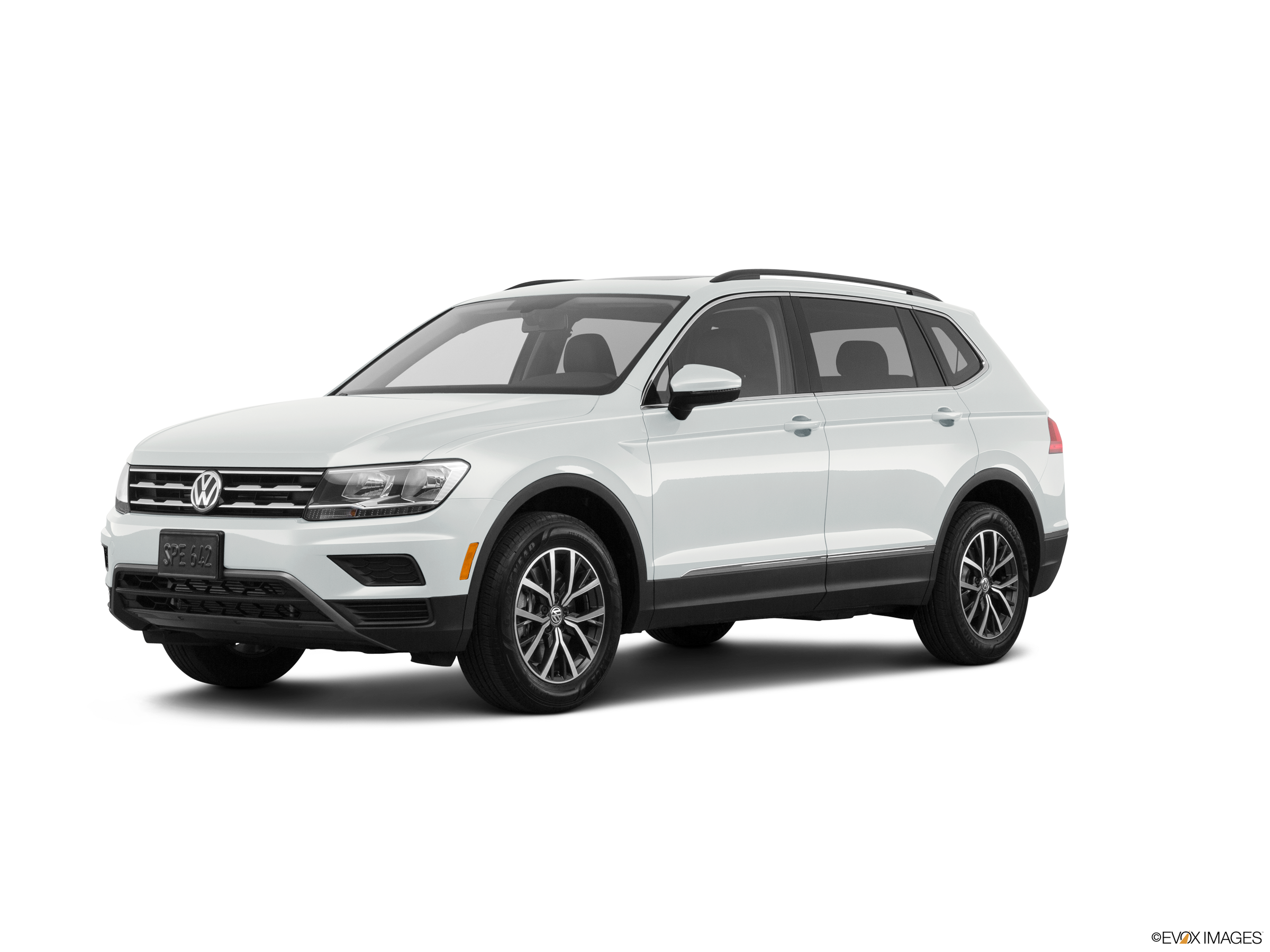
Vehicle architecture directly influences maintenance budgets. For instance, compact models like the 2026 Volkswagen Jetta powered by a 1.5L turbocharged engine utilize streamlined service protocols, keeping annual fluid and filter replacement costs lower. Larger crossover utilities like the 2026 Volkswagen Tiguan feature a 2.0L engine and available 4-Motion all-wheel drive, requiring periodic differential fluid checks and additional brake rotor inspection cycles.
Environmental factors along the coast also shape upkeep demands. Drivers commuting through Little River frequently experience airborne salt exposure and heavy humidity, which accelerate surface oxidation on exposed brake rotors and undercarriage fasteners. Annual multi-point checks ensure early detection of rust on metallic brake lines and suspension linkages before minor surface corrosion turns into costly mechanical failure.
To review upcoming factory care needs or locate our facility, drivers can visit our Myrtle Beach service center location or give our service desk a quick call at (843) 353-1118.
Table of Contents
- What Is the Recommended Maintenance Schedule for a Used Volkswagen?
- How Frequently Should Volkswagen Brake Fluid, Coolant, and Fluids Be Flushed?
- Why Do OEM Volkswagen Parts and Factory Care Preserve Resale Value?
- Answers to Frequent Used Volkswagen Maintenance Questions
What Is the Recommended Maintenance Schedule for a Used Volkswagen?
Volkswagen recommends a baseline maintenance schedule of 10,000 miles or 12 months, whichever comes first, for routine engine oil changes, tire rotations, and multi-point inspections. Critical component replacements, such as engine air filters, spark plugs, and transmission fluids, follow specific mileage-based milestones established by factory engineering guidelines.
A properly executed maintenance plan prevents unexpected mechanical repairs and maintains optimal engine efficiency throughout the life of the vehicle:
- 10,000 Miles or 12 Months: Drain and refill full synthetic engine oil matching official Volkswagen oil standards, replace the engine oil filter, rotate tires to balance wear patterns, and measure front and rear brake pad thickness.
- 30,000 to 60,000 Miles: Replace the cabin pollen filter every 20,000 miles or 2 years. The engine air filter requires replacement at 60,000 miles under standard driving conditions, though operating in dusty environments accelerates this need to 30,000 miles. Spark plugs on turbocharged engines, including the 2.0L engine found in the 2026 Volkswagen Atlas, call for renewal at 40,000 miles or 4 years.
- 80,000 to 100,000 Miles: Inspect engine timing belts on applicable belt-driven engines starting at 60,000 miles, with complete replacement scheduled between 80,000 and 100,000 miles. Perform Direct-Shift Gearbox ( DSG) dual-clutch transmission fluid and filter flushes at 80,000 miles.
When drivers take ownership of a pre-owned vehicle, our service advisors review the instrument-cluster service indicator and historical maintenance records against official Volkswagen model-year schedules before establishing new service appointments.
Vehicle owners ready to align their car with factory care intervals can easily schedule an online service appointment with our certified technical team.
How Frequently Should Volkswagen Brake Fluid, Coolant, and Fluids Be Flushed?
Volkswagen brake fluid must undergo its first complete flush 3 years after initial registration regardless of mileage, and every 2 years thereafter to remove trapped moisture and prevent hydraulic line corrosion. Cooling systems require model-specific silicate-free G12, G13, or G12evo coolant formulations that safeguard internal engine passages against thermal degradation.
Hydraulic brake fluid is inherently hygroscopic, meaning it absorbs atmospheric humidity through flexible rubber brake hoses over time. Water contamination lowers the boiling point of the fluid, creating gas bubbles under heavy braking heat that lead to a spongy brake pedal and reduced stopping power. Replacing brake fluid on a strict time-based schedule protects sensitive anti-lock braking system pumps and hydraulic calipers from internal corrosion.
Cooling system integrity relies on exact chemical balances. Volkswagen cooling systems utilize specialized silicate-free coolants mixed at a 50/50 ratio with distilled water. Standard or generic all-makes coolants introduce incompatible chemical additives that react with internal seals, resulting in gelation, clogged radiator cores, and eroded water pump impellers.
Transmission and drivetrain fluids demand strict adherence to service intervals:
- DSG Transmission Fluid: Dual-clutch DSG transmissions require fresh fluid and replacement filter cartridges every 80,000 miles to preserve hydraulic clutch actuation and protect gear assemblies from friction heat.
- Tiptronic Automatic Fluid: Conventional Tiptronic automatic transmissions benefit from periodic fluid condition checks during major service milestones.
- Differential & Haldex Fluid: Models equipped with 4-Motion all-wheel drive require fluid servicing for the coupling system to prevent clutch pack slippage.
Commuters in Wilmington crossing Cape Fear River bridges and driving through dense coastal traffic subject braking and cooling systems to high operating temperatures, making timely fluid exchanges essential for long-term reliability.
Why Do OEM Volkswagen Parts and Factory Care Preserve Resale Value?
Factory-original OEM Volkswagen parts preserve vehicle resale value by maintaining exact engineering tolerances, original crash safety standards, and factory performance characteristics that generic components cannot replicate. In contrast, unapproved aftermarket modifications, such as aggressive ECU engine tunes or modified suspensions, decrease trade-in valuations and narrow the pool of pre-owned buyers.
Engineers design genuine components specifically for Volkswagen vehicles using specialized European metallurgy and precise manufacturing tolerances. Installing aftermarket brake pads, non-compliant sensors, or generic filters often leads to premature component failure, squeal, or persistent dashboard check engine lights. Maintaining complete service documentation with genuine parts proves to future buyers that the vehicle received uncompromised care.
Aftermarket ECU tuning remaps fuel delivery and turbocharger boost pressures beyond factory parameters. While tuning increases short-term output, it accelerates wear on internal engine bearings, transmission clutch packs, and catalytic converters. Most pre-owned buyers and dealership appraisal teams penalize modified vehicles due to unknown stress history and voided component warranties.
Over a 10-year ownership timeline, a Volkswagen Jetta incurs approximately $1,500 to $2,500 more in total routine upkeep and minor repairs than a non-European compact like a Toyota Corolla. However, the Jetta delivers refined cabin materials, superior high-speed chassis composure, and responsive transmission engineering. Using genuine components protects that driving experience while retaining maximum market value when trading in.
Owners looking for authentic components can order directly through our specialized parts department, or evaluate their overall vehicle ownership needs using our interactive car evaluation quiz.
Answers to Frequent Used Volkswagen Maintenance Questions
Q: What engine oil spec and viscosity does a used Volkswagen require?
Volkswagen engines mandate full synthetic engine oil certified to specific factory standards listed in the owner's manual, such as VW 502 00, VW 504 00, or VW 508 00. Approved viscosities typically include 0W-20, 5W-30, or 5W-40, tailored to specific engine clearances and oil pump operating pressures. Using non-approved motor oil leads to sludge accumulation, accelerated turbocharger wear, and potential internal engine damage.
Q: How do I know if a pre-owned Volkswagen needs a timing belt replacement?
On belt-driven Volkswagen engines, technicians inspect the timing belt visually at 60,000 miles for signs of cracking, glazing, or edge wear. Because snapping a timing belt on an interference engine causes pistons to collide with valves, any vehicle reaching 80,000 to 100,000 miles without documented service history should undergo a complete timing belt and water pump replacement.
Q: Is a DSG transmission fluid service required if the vehicle shifts normally?
Yes, DSG dual-clutch transmission fluid and filter changes must be performed every 80,000 miles regardless of current shift feel. Microscopic clutch pad particles and thermal breakdown contaminate hydraulic fluid over time, damaging delicate mechatronic control valves long before a driver notices mechanical slipping or rough gear engagement.
Q: Can generic green coolant be added to a Volkswagen coolant reservoir?
Generic green or standard universal coolants should never be mixed with Volkswagen factory coolant. Combining non-approved coolants with silicate-free G12, G13, or G12evo fluids causes chemical precipitation, forming a thick gel that blocks heater cores, restricts engine waterways, and destroys water pump seals. Always top off with distilled water if approved coolant is temporarily unavailable.
Q: How do severe driving conditions affect engine air filter lifespan?
Operating a vehicle in dusty coastal areas, unpaved back roads, or stop-and-go city traffic reduces the ideal engine air filter replacement interval from 60,000 miles down to 30,000 miles. Clogged air filters reduce intake airflow, lowering turbocharger efficiency and increasing engine fuel consumption.
For additional service advice or to visit our facility in person, motorists can get our service location on US Highway 17 Bypass South or speak with a technician by calling (843) 353-1118 today.
Categories:
Service